Discover
the 4 castles

THE 4 CASTLES
OF LASTOURS

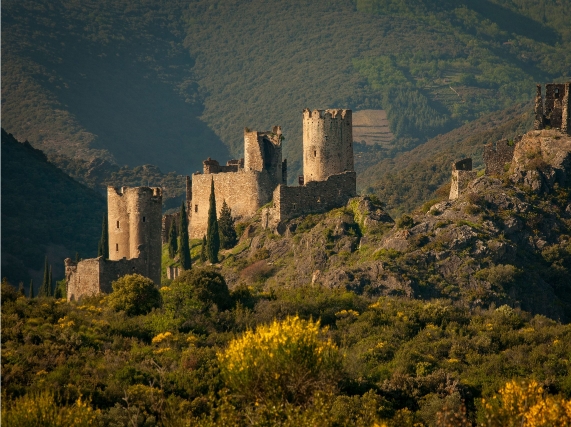
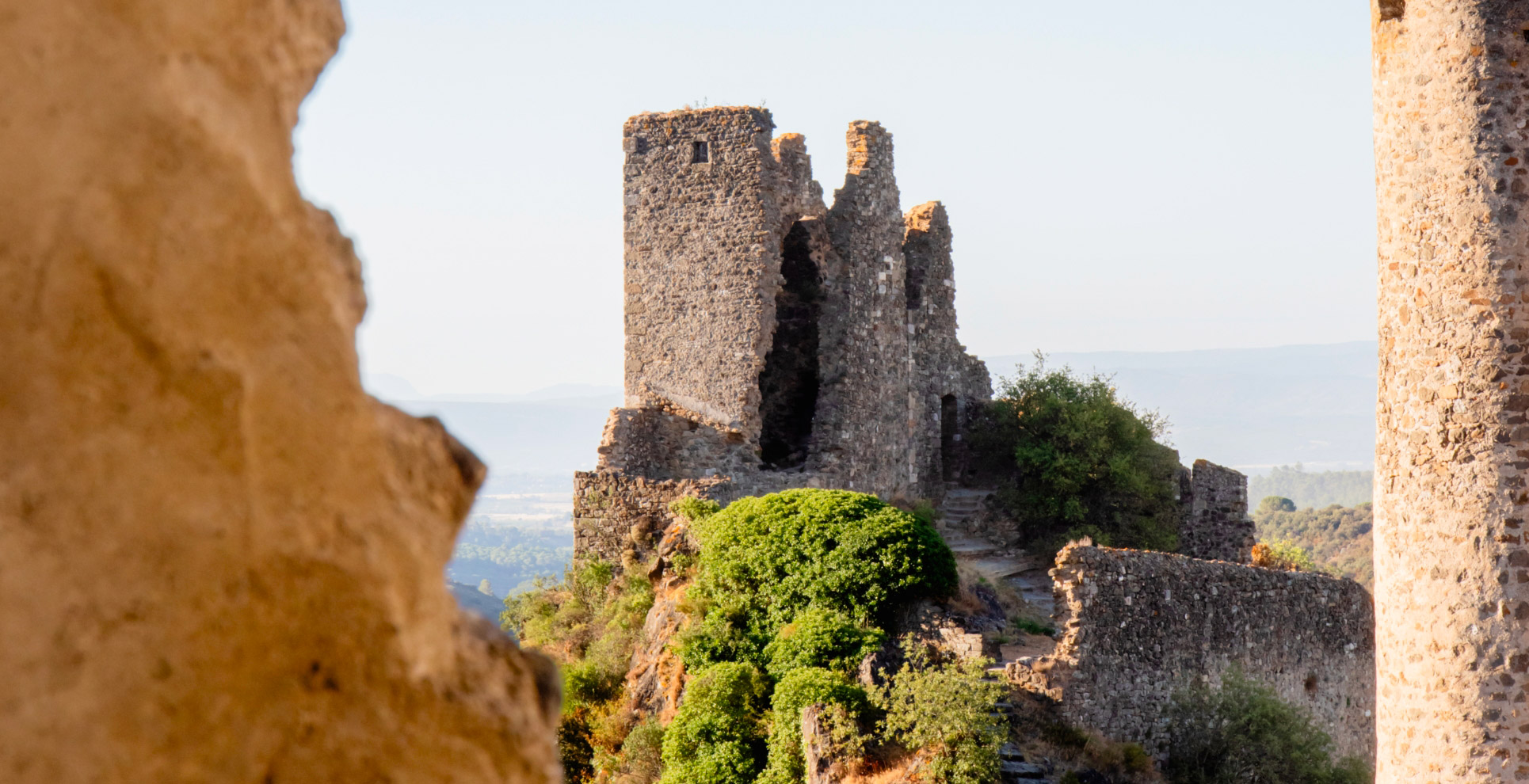
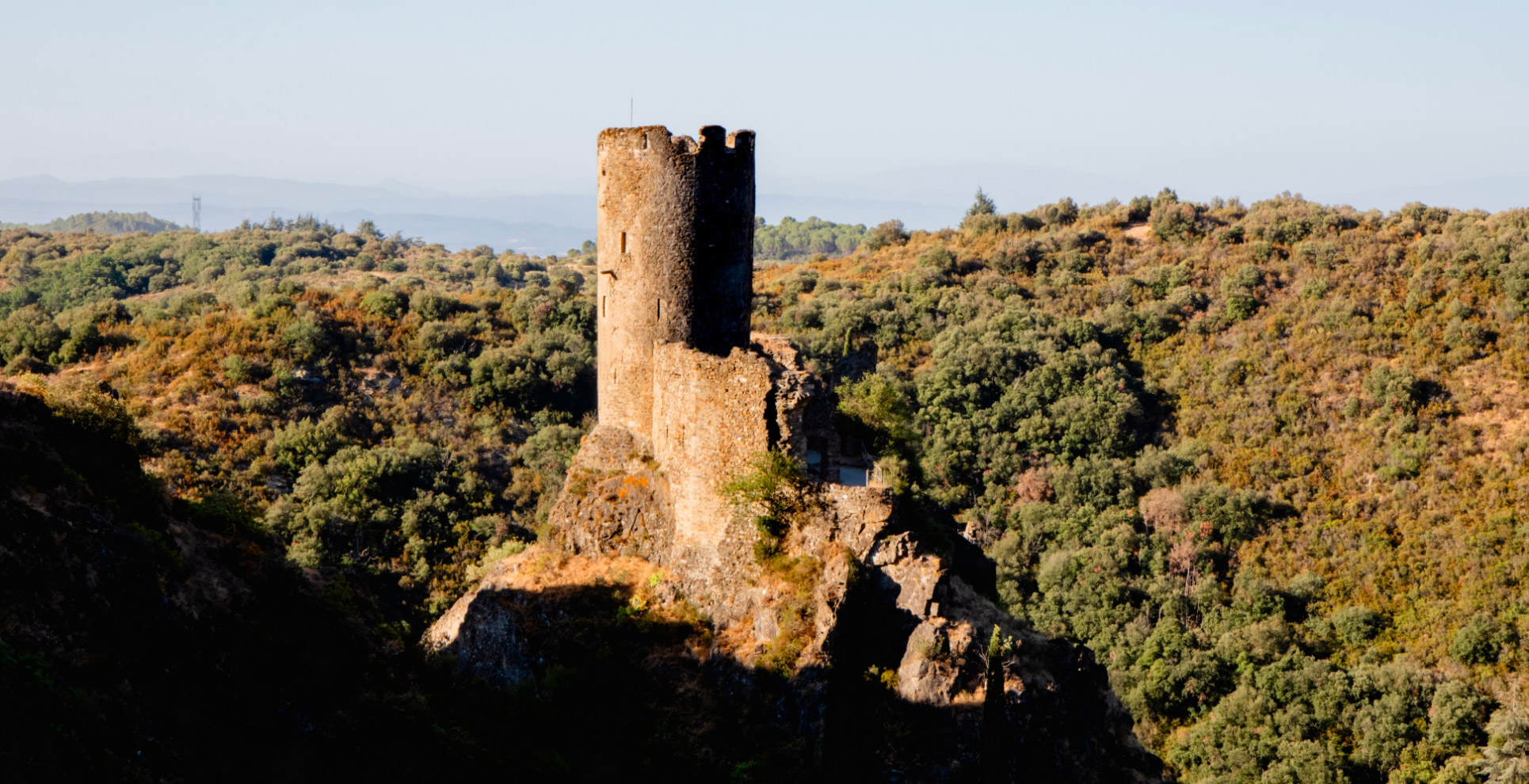
ATOP A ROCKY SPUR STAND 4 CASTLES…

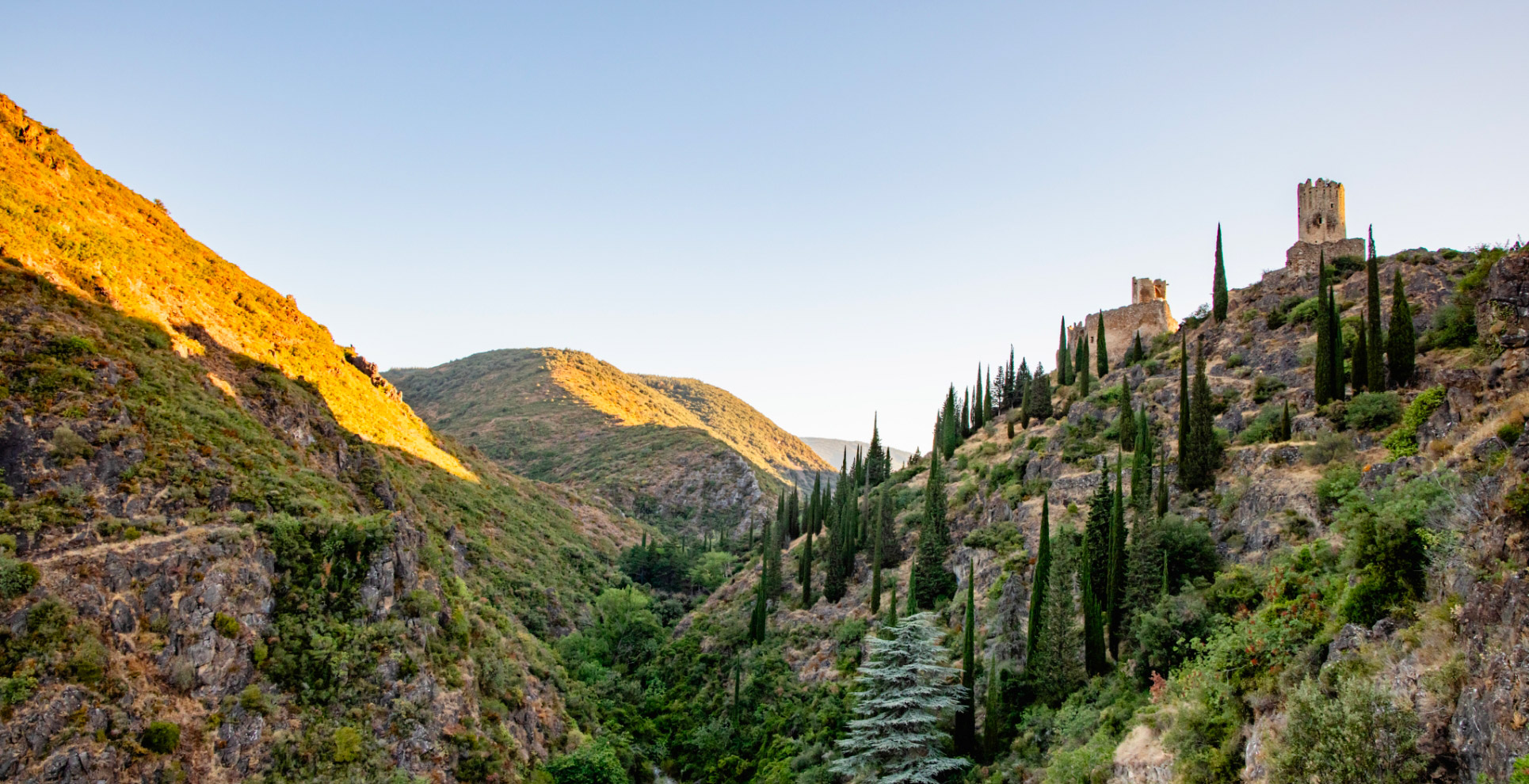
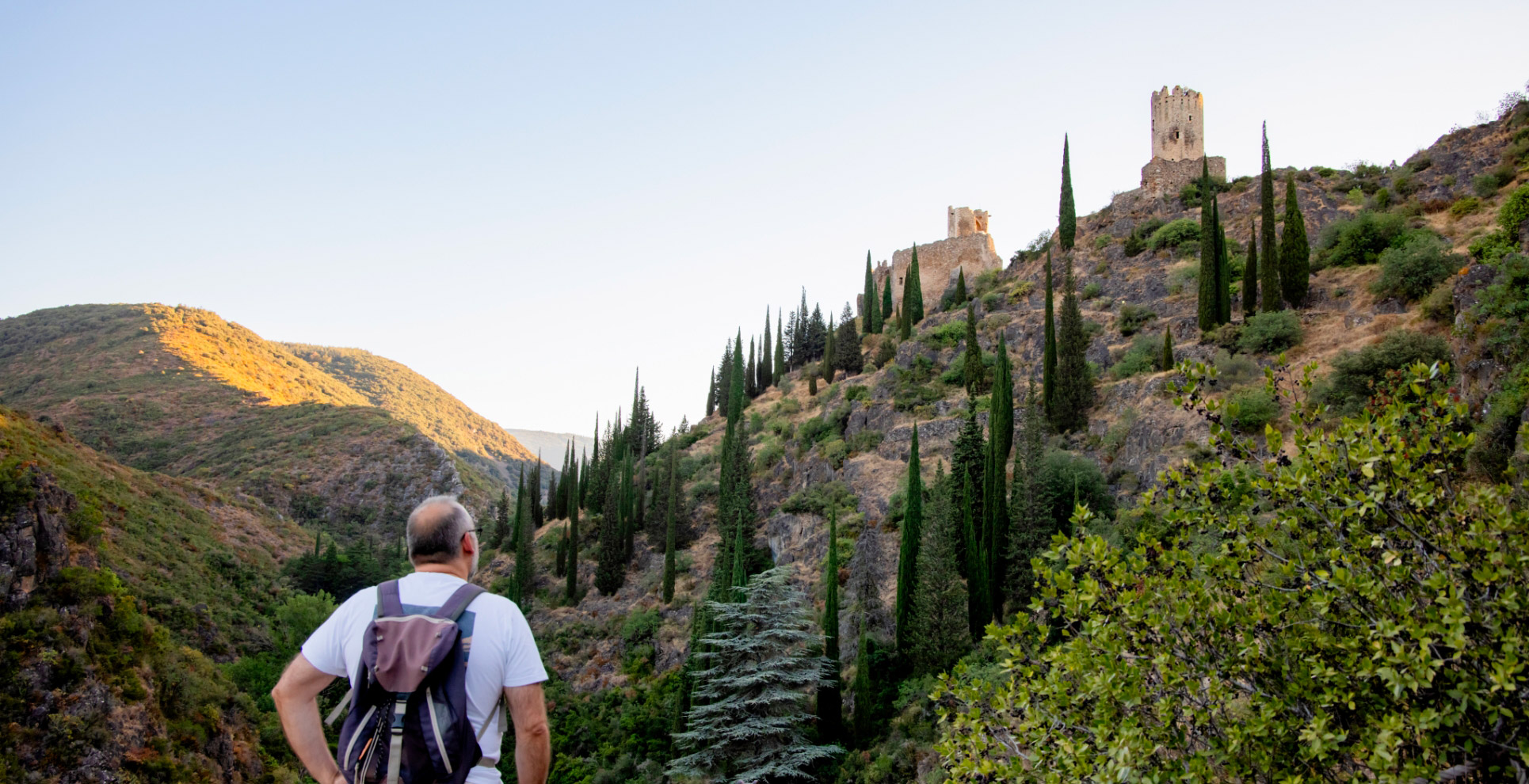
A true treasure at the top of the mountain, the Châteaux de Lastours have not always looked the way they do today. Built on land that has seen several periods of occupation throughout history, they bear witness to a glorious past shaped 4,000 years ago by the men and women who discovered the riches of the Montagne Noire.

Years of history
0
Objects on display
0
Medieval castles
0
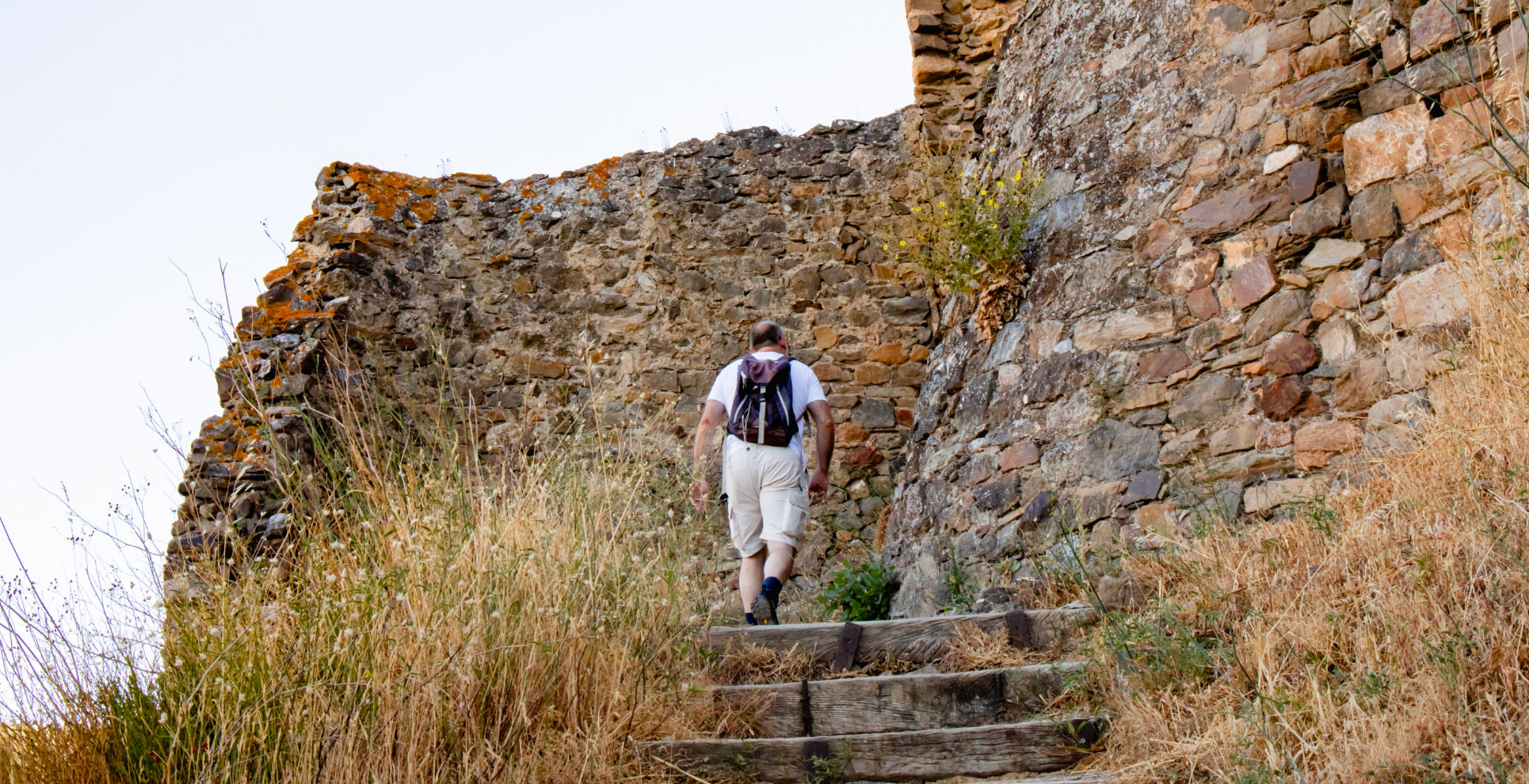
Walking, approx.
0 H

FROM THE VISIGOTHS TO ROYAL POWER

Mining in the Montagne Noire dates back to Roman times; the Montagne des Barrencs, facing the rocky spur, conceals a multitude of galleries once used to extract copper, silver and lead.

These riches attracted various peoples to settle here. Written records first mention the site of Cabaret, “Caput Arietis Castra”, in 585, when Gregory of Tours describes the Burgundians fleeing Carcassonne after an attack by the Visigoths from Spain. Excavations have uncovered a Visigothic necropolis and remarkable objects, now on display at the castles’ visitor reception.

FOCUS ON

THE TIMELINE

Bronze Age

1500 BC: an amber bead decorated with an eye, discovered in the grave of a young girl near the Trou de la Cité.

1209

Start of the Albigensian Crusade: Simon de Montfort tries in vain to seize Cabaret.

1211

After a long resistance, Pierre-Roger de Cabaret finally surrenders the stronghold to Bouchard de Marly.

1240 - 41

The “Viscount's War”: looting and violence recounted by Raymond Abbas, an inhabitant of Cabaret. The old towers and the castral village were probably destroyed. The 3 castles were rebuilt and a fourth was added, known as the “Tour Neuve” (New Tower).

THE 4 Castles

The first 3 castles

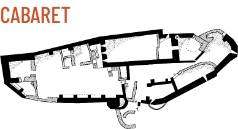
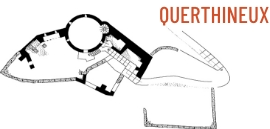
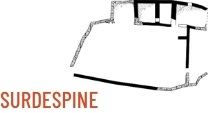
In the 12th century, the co-lordship of Cabaret comprised three castles (Cabaret, Quertinheux and Surdespine) and developed rapidly thanks to its mineral wealth and strategic position. Under the authority of Viscount Raimond-Roger Trencavel, it became an influential centre of power.

THE TOUR RÉGINE & ITS HISTORY

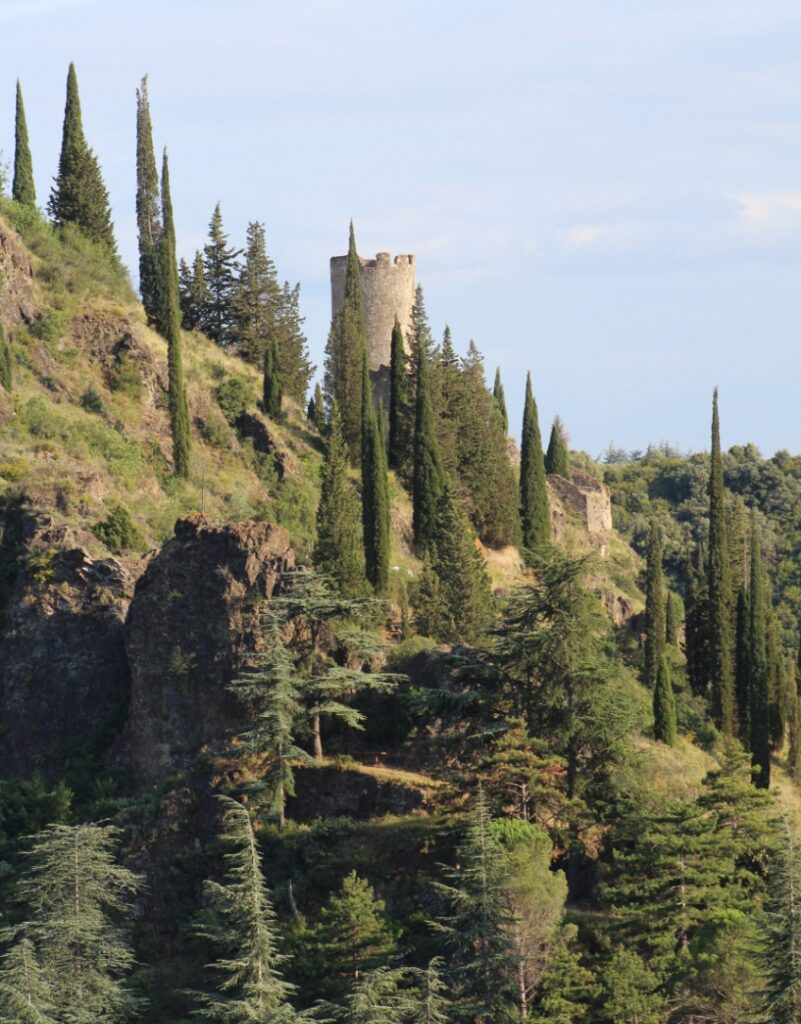
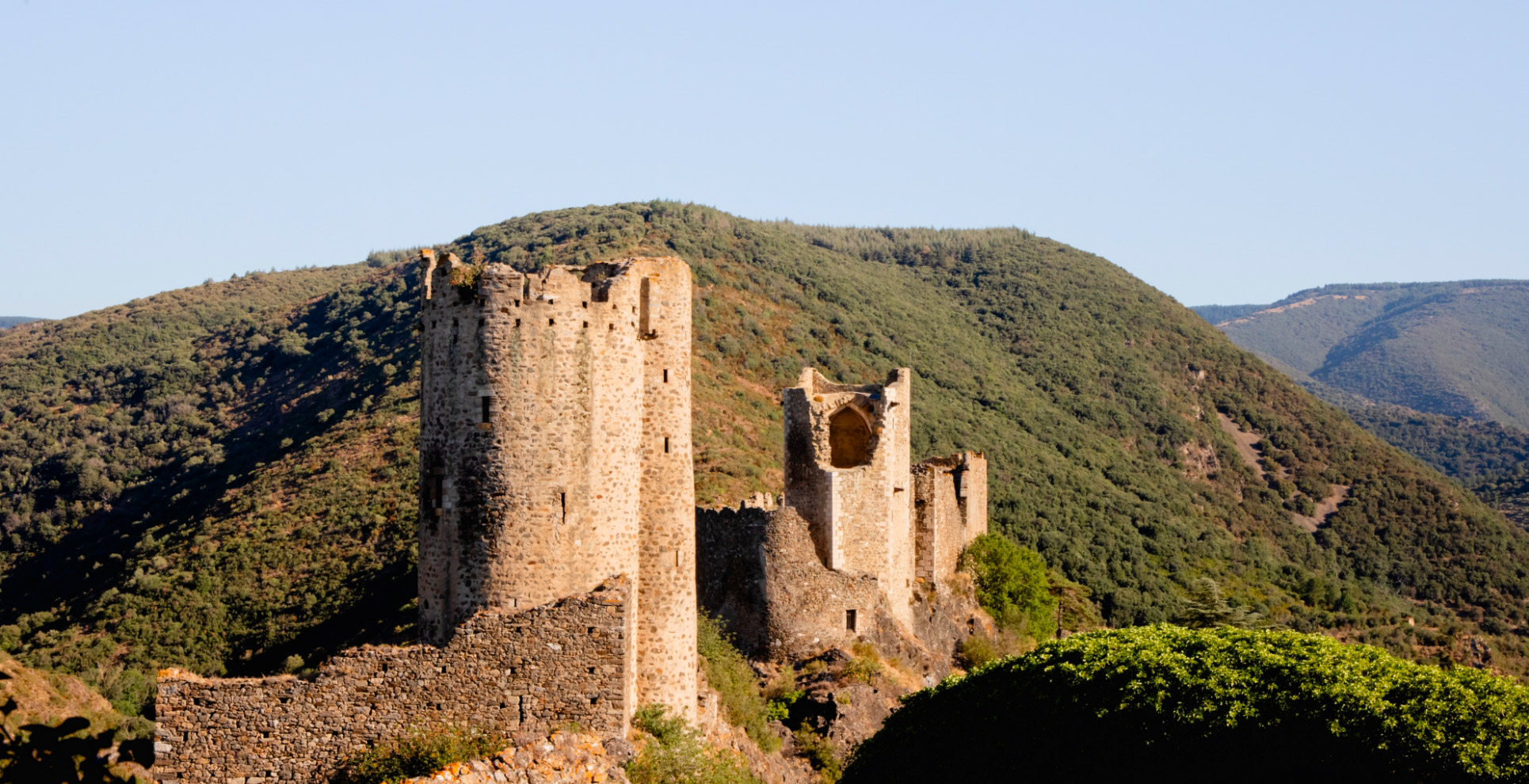
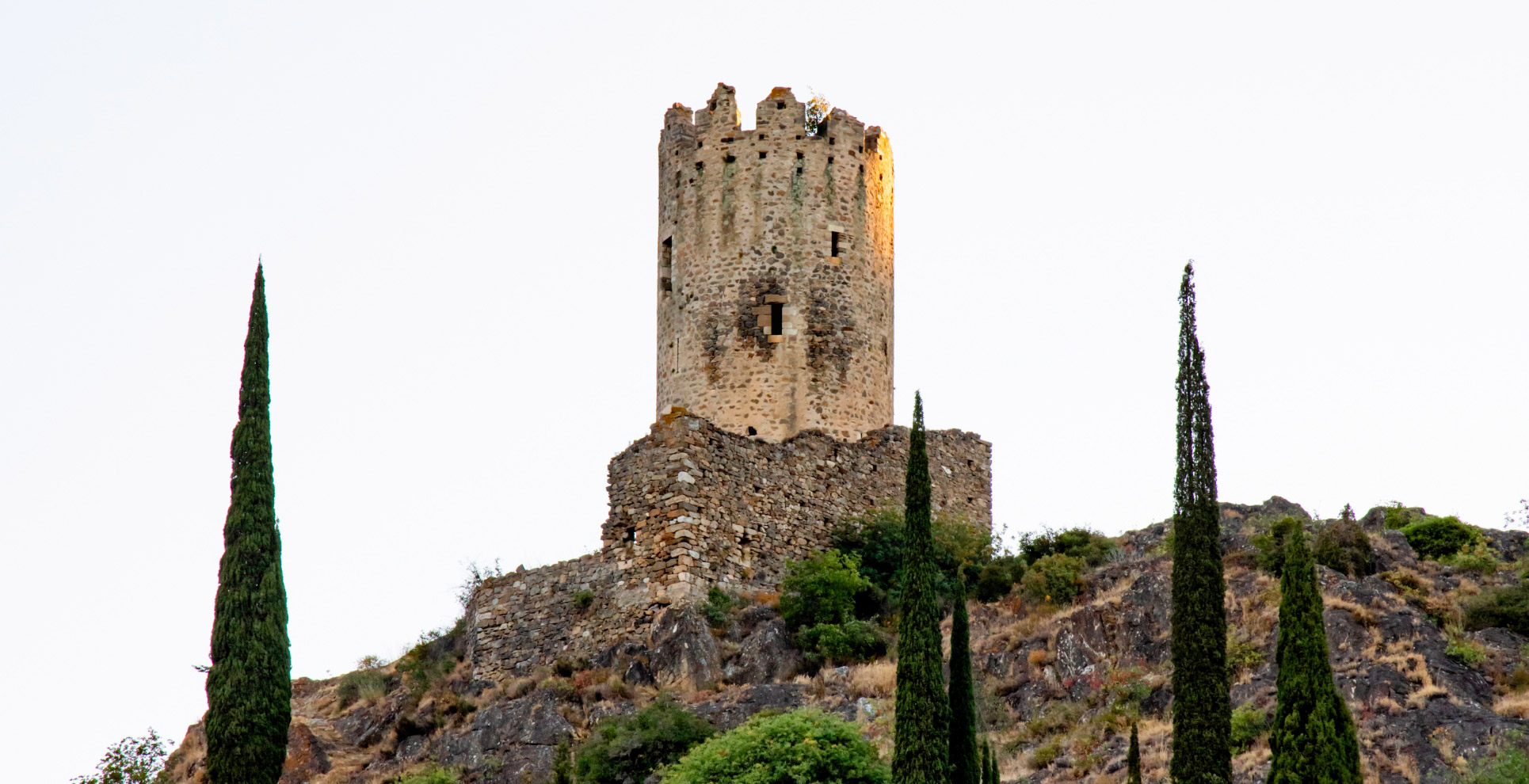
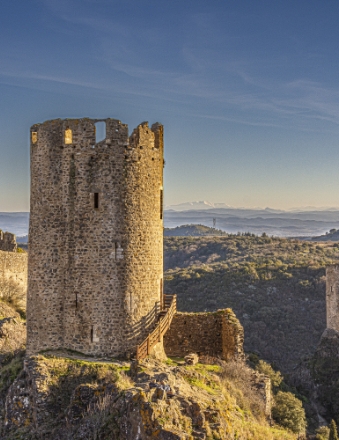
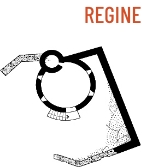
Built in the early 13th century, the Tour Régine is the most recent of the four fortresses of Lastours. Constructed after the crusade against the Albigensians, it reflects the French monarchy’s determination to strengthen its control over this strategic region.

With its imposing circular keep, it completes the defensive system formed by Cabaret, Surdespine and Quertinheux. Perched on a rocky spur, it overlooks the Orbiel valley and offers a remarkable view over the Montagne Noire.

Its history thus illustrates the transition from the old local lordships to royal authority, at the heart of the medieval history of Cathar Country.

CASTRAL VILLAGES

The population lived in villages attached to the castles, with an economy based mainly on crafts and mining. In the early 13th century, Cabaret was both an important economic centre and a notable spiritual site.

THE CATHAR HERESY

The region was also marked by a strong Cathar presence, supported by the lordly family. Cabaret even became a refuge for Cathar religious leaders, which twice drew the Albigensian Crusade to its walls.

AN ARCHAEOLOGICAL EXHIBITION

Thirty years of archaeological excavations at Lastours have brought together 250 objects tracing 4,000 years of history. This small exhibition offers a quick and accessible introduction to the site, ideal as a complement to your visit.

A UNESCO-RECOGNISED SITE

The Châteaux de Lastours are part of a group of medieval fortresses inscribed on the UNESCO World Heritage List. This network notably includes the Cité of Carcassonne as well as the castles of Quéribus, Peyrepertuse and several other major sites in the Aude. This recognition highlights the exceptional historical value of these fortresses and the importance of preserving them. It also confirms the site’s role in promoting sustainable cultural tourism.